HomeOlive milling
Harvest season under wayOctober to December, every day 8am–8pm. Book your milling

Bring your olives. Take home the oil.

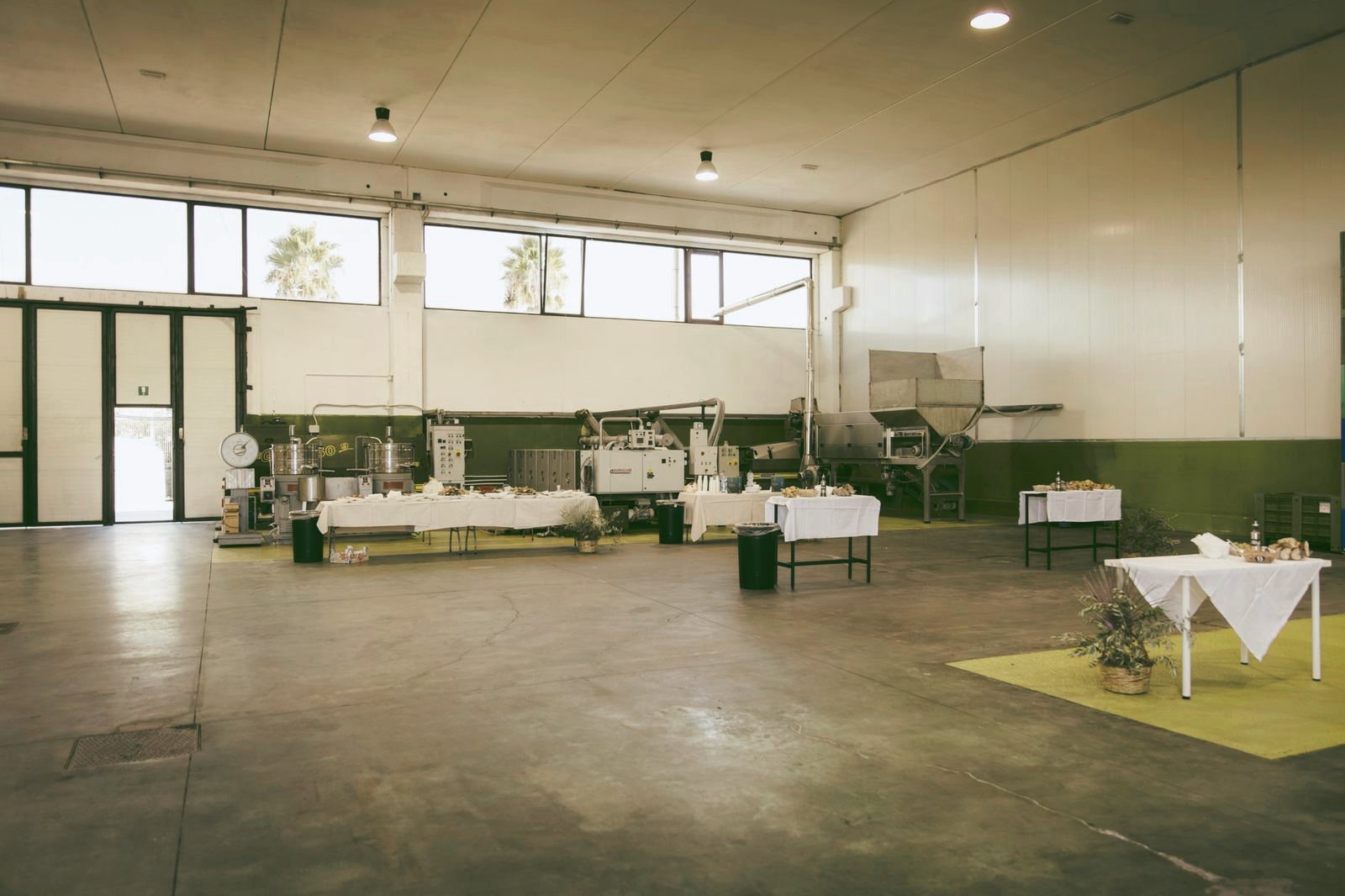
Same-day cold milling on a Barracane line: sturdy, precise machines designed to work the paste without overheating it. The cycle takes about an hour and, on request, we filter and analyse your oil.

The milling line at the ALIVE mill
Services

Services for your olives.

One principle: speed where it matters, care at every stage.

  • Cold milling

    We crush the olives the same day, at a controlled temperature below 27 °C, to preserve their aromas and polyphenols.

  • Olive pick-up

    If you cannot bring them yourself, we collect them: the olives reach the mill without delay.

  • Filtering

    We remove the water and suspended pulp, which over time impair its flavour: the oil stays clear, stable and intact for longer.

  • Analysis

    Acidity, peroxides, polyphenols and K270: we tell you whether the oil is extra virgin, how fresh it is and how rich in antioxidants.

  • Purchase of surplus oil

    If your yield exceeds what you need, you can sell us the surplus: we assess it and, if it meets our standards, we buy it.

  1. 1BookWe agree on a day and time together.
  2. 2Bring the olivesOr the oil to be filtered. On request, we handle collection.
  3. 3Take your oil homeThe cycle takes about an hour: you can wait at the mill.
Analysis

Four parameters to know your oil.

Acidity, peroxides and K270 have legal limits for the extra virgin category; polyphenols measure the oil's wealth of antioxidants. We measure them and explain what they mean.

Acidity
≤ 0,8% oleic acid. It rises if the olives wait or are damaged.
Peroxides
≤ 20meq O₂/kg. Measures early oxidation.
Polyphenols
≥ 250mg/kg. Natural antioxidants: they give bitterness and pungency and protect the oil.
K270
≤ 0,22UV absorption. Indicates oxidised or poorly stored oil.
Limits for the extra virgin category: EU Reg. 2022/2104. Polyphenols: threshold for the health claim, EU Reg. 432/2012.
The production process

From olive to oil, machine by machine.

A continuous three-phase mill in which every step has a precise task. The whole cycle takes about an hour.

  1. 01

    Leaf remover

    Mercuri

    Draws off leaves, twigs and light impurities before processing.

  2. 02

    Conveyor belt

    Carries the olives continuously to the washer without crushing them.

  3. 03

    Washer

    Barracane

    Washes the olives in running water and removes soil, stones and dust.

  4. 04

    Hammer crusher

    Barracane

    Rotating hammers drive the olives against a perforated screen, turning them into a fine, even paste within seconds.

    What types of crusher are there?

    Hammer: fast and even, it releases polyphenols well and gives more structured oils. Disc or blade: gentler crushing, a less emulsified paste and softer oils. Millstones: the traditional stone wheels, slow and gentle, but leaving the paste more exposed to air.

  5. 05

    Malaxer

    Barracane

    Slowly stirs the paste so the oil droplets merge. At most 40 minutes, below 27 °C: the time that ensures excellent quality.

  6. 06

    Megala 480 centrifuge

    Barracane

    The horizontal decanter uses centrifugal force to separate the oil from the vegetation water and the pomace.

    Who is Barracane?

    An Italian manufacturer with a long tradition in olive oil extraction machinery. Its machines are valued for their sturdiness and consistent performance; the Megala is its horizontal centrifuge.

  7. 07

    Centrifugal separator

    Rapanelli

    The final high-speed step removes the last traces of water and impurities before filtering.

How we work

Twelve hours. Not one more.

Time is the invisible ingredient. The count starts when the olive leaves the branch and ends when the oil goes into storage. Scroll to follow it.

00:00Harvest
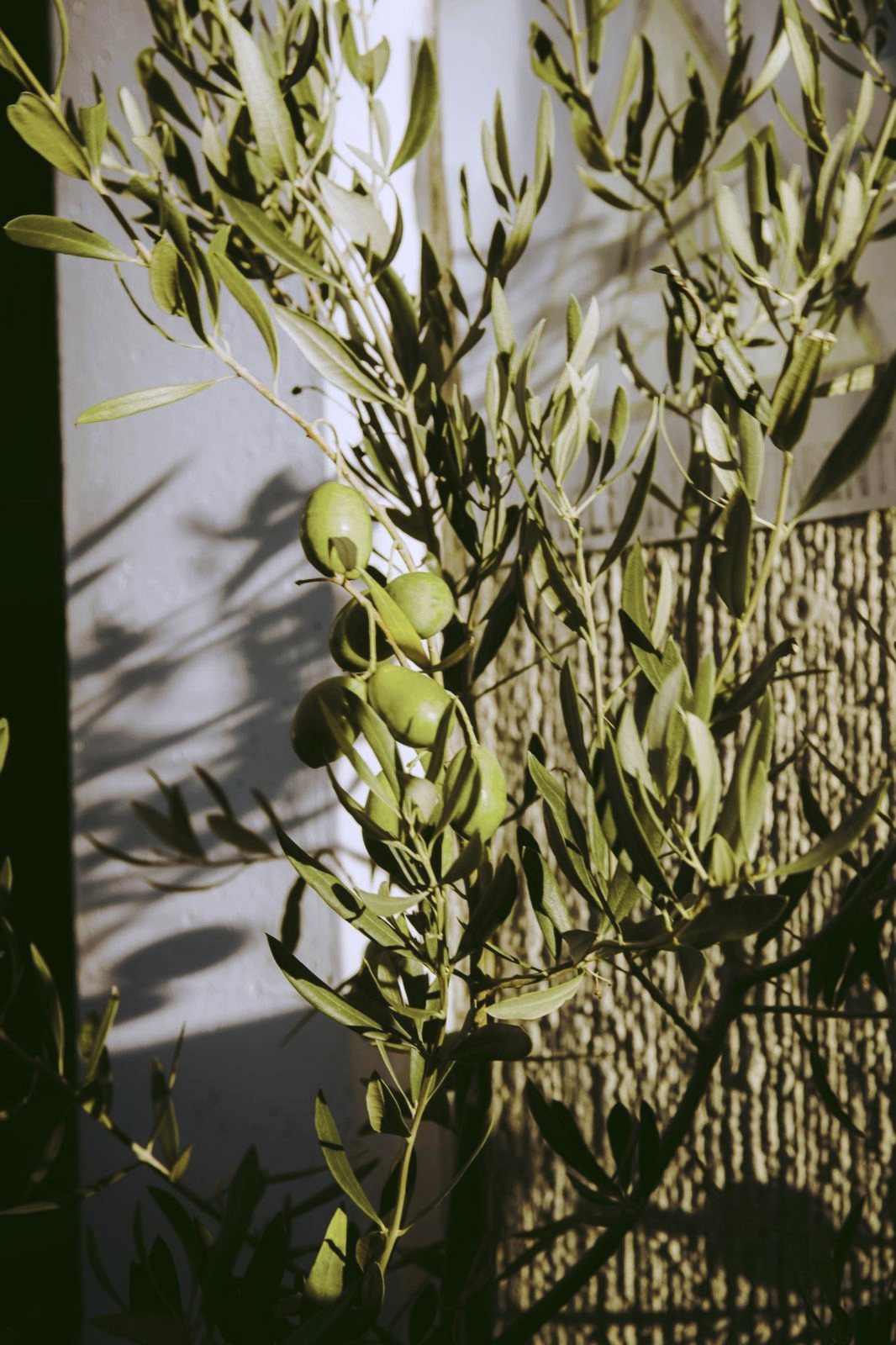
  1. Olive sprig with green olivesHour 0

    Harvest

    We harvest at veraison, when the olive turns from green to purple: the yield is slightly lower, but aromas and polyphenols are at their peak.

  2. The milling line at the ALIVE millBy evening

    Milling

    Leaf removal, washing and crushing. An olive left waiting loses freshness and aroma: what is picked today is crushed today.

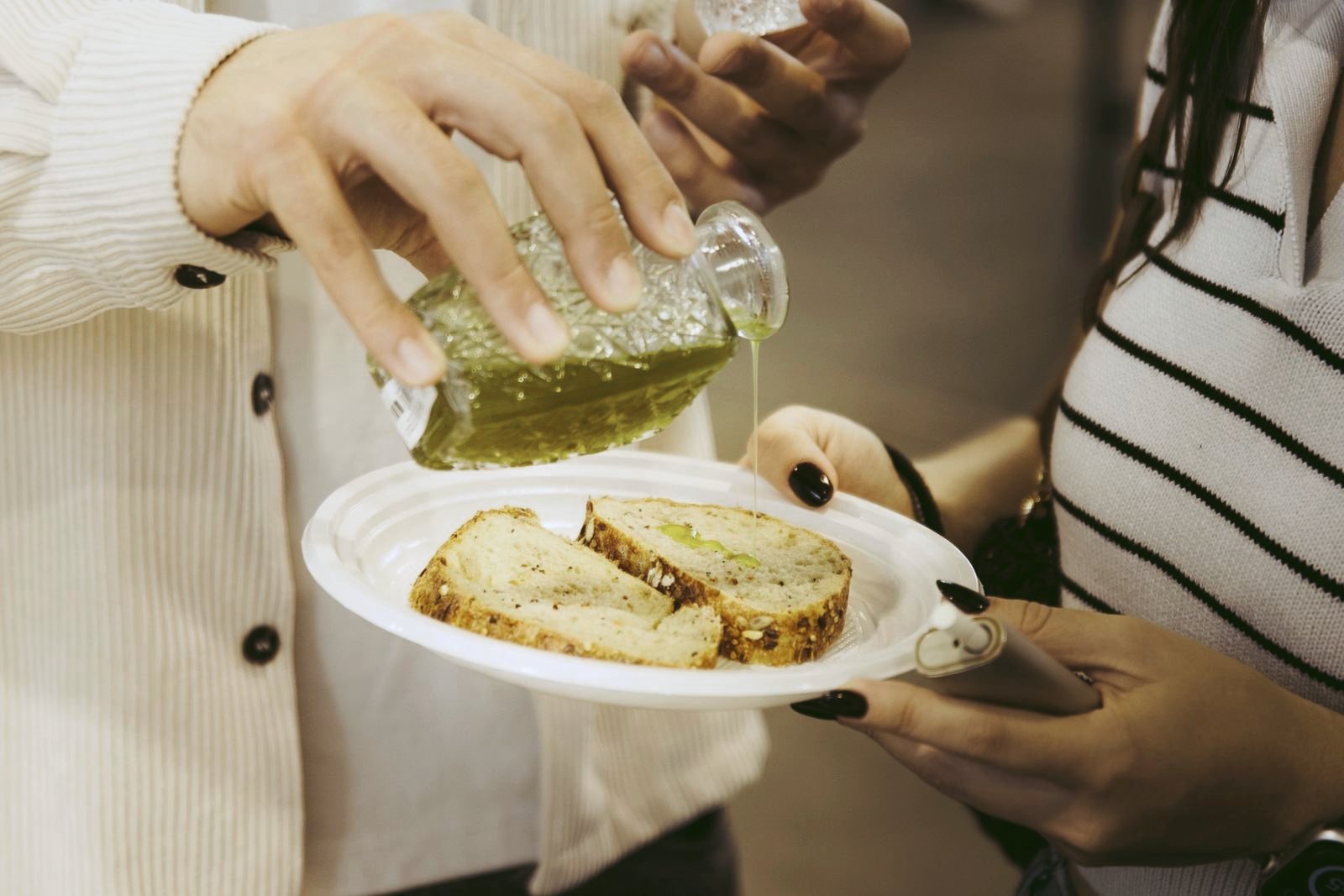
  3. Extra virgin oil just poured on a slice of breadBelow 27 °C

    Cold extraction

    The paste is malaxed for no more than 40 minutes, then the Megala 480 centrifuge separates the oil from water and pomace. Above 27 °C the aromas are lost: we stay below.

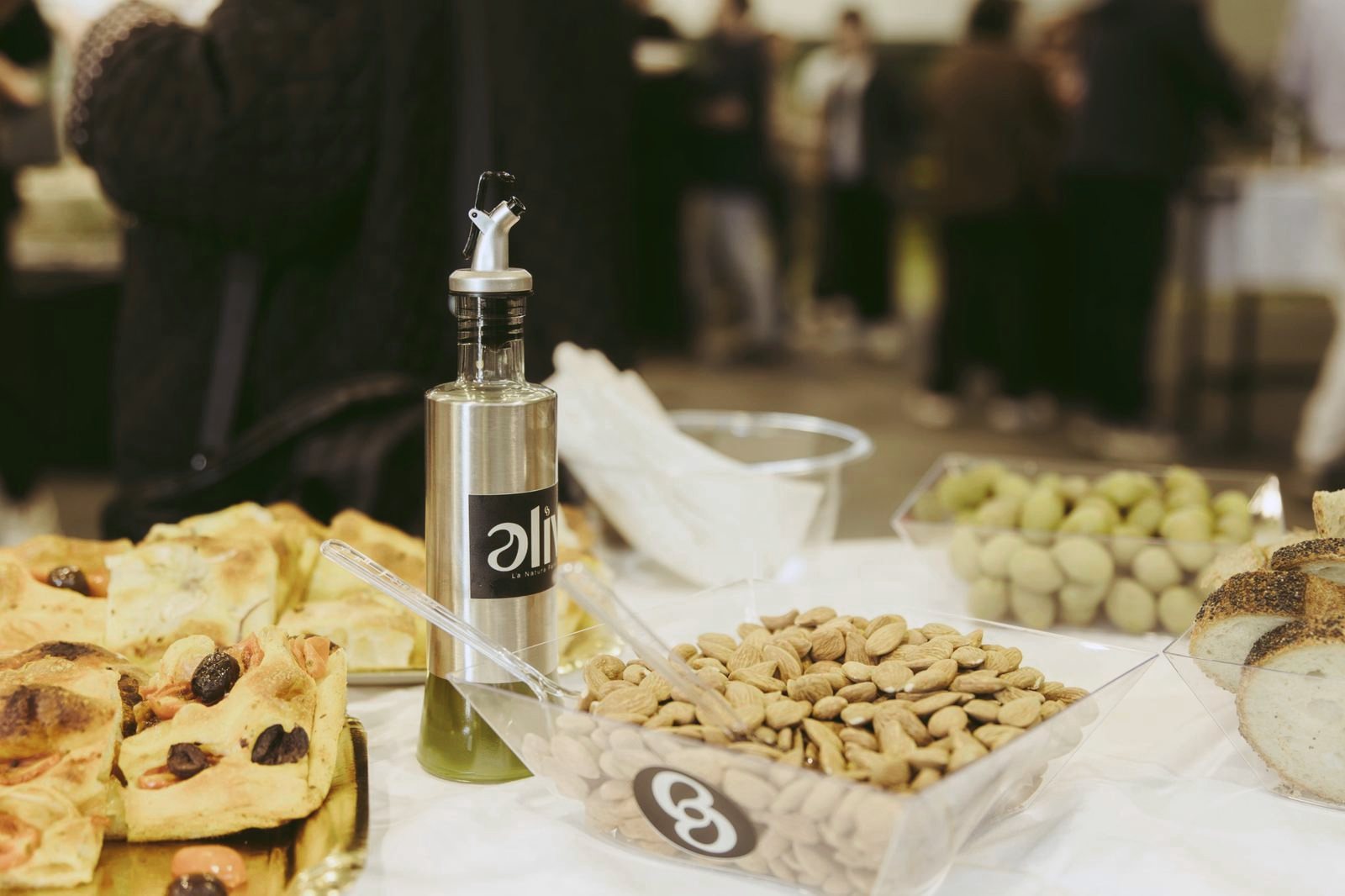
  4. The ALIVE oil cruet next to olives and almondsOur speciality

    Filtering

    The Rapanelli separator and the filter remove water and fragments of pulp: the oil stays clear and keeps its aroma intact.

  5. The black ALIVE cansHour 12

    Storage

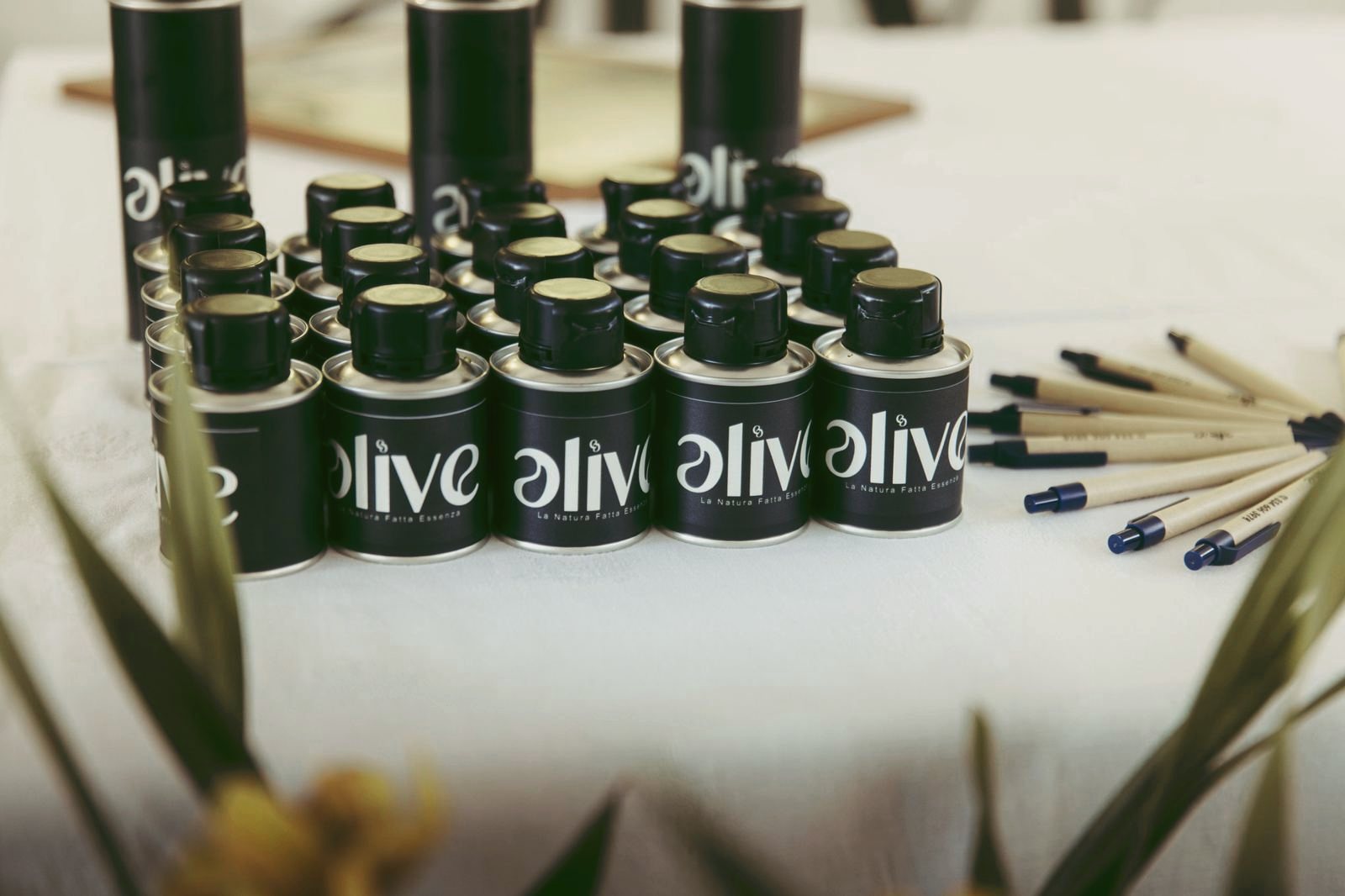
    Stainless steel tanks, then can, bottle or tin. Light, heat and oxygen stay out: the essence is safe.

Questions

Frequently asked questions.

When does milling take place?

During the harvest season, from October to December, every day from 8am to 8pm. In the busiest weeks we recommend booking in advance.

How long does milling take?

The full cycle takes about an hour, from the olives going in to the oil coming out. You can wait at the mill and leave with your oil.

What kind of mill is ALIVE?

A continuous three-phase mill: Barracane hammer crusher, malaxer and horizontal centrifuge, followed by a Rapanelli centrifugal separator. The olives are cold processed, below 27 °C, without presses.

What is the difference between a three-phase, a two-phase and a traditional mill?

In a traditional mill the olives are crushed by millstones and pressed: a discontinuous, slower process, with the paste exposed to air for a long time. A continuous two-phase mill adds no water and separates the oil from a very wet pomace. A three-phase mill adds a small amount of water to the paste and separates three distinct products: oil, vegetation water and pomace, with a clean, consistent separation.

How do I book milling?

By phone or WhatsApp on +39 334 606 3978. We agree on a day and time, so the olives do not wait.

Do you collect the olives?

Yes. If you cannot bring them yourself, we arrange collection and take them to the mill the same day.

Why filter the oil?

Freshly extracted oil is cloudy: it contains water and suspended pulp particles that, over time, impair its flavour and quality. Filtering removes them: the oil stays clear and stable and keeps its aroma for longer.

How much oil do I need for filtering?

We handle both small and large quantities. Contact us to agree on timing and containers.

What do the analyses show?

Acidity, peroxides and K270 establish whether the oil falls into the extra virgin category and how fresh it is; polyphenols measure its natural antioxidant content. We explain the results and advise you on how to store it.